Sustaining a premium residential lifestyle within a high-density coastal desert metropolis is an achievement made possible by advanced architectural design and rigorous infrastructure management. The regional environment presents unique structural challenges, with long summer months placing immense thermal loads on building envelopes while ambient coastal moisture interacts with fine sand particles. For homeowners from the sweeping beachside villas of Jumeirah to the upscale penthouses of Dubai Marina, a residence is far more than a visual statement of luxury. It is a highly complex, interconnected matrix of thermodynamic, fluid, and electrical networks that require strategic oversight to ensure daily comfort and long-term asset survival.
When the atmospheric heat wave reaches its peak, the absolute reliability of your interior climate management framework becomes the single most critical factor in household stability. Securing certified AC Repair Dubai engineers is a vital step toward safeguarding your family from sudden environmental disruptions and avoiding exponential spikes in power consumption. Rather than relying on temporary patches or waiting for a complete mechanical failure to occur during a weekend heatwave, proactive property owners invest in systematic structural and mechanical diagnostic audits. Certified technicians utilize specialized monitoring instruments to evaluate internal component stress, track down refrigerant inconsistencies, and balance system harmonics, ensuring your indoor sanctuary remains cool, silent, and exceptionally energy-efficient all year long.
The Micro-Physics of Thermodynamic Extraction and Compressor Preservation
To fully appreciate the continuous workload borne by modern residential cooling networks, one must examine the specific thermodynamic cycles occurring behind the architectural ceilings. An air conditioner does not actively inject coldness into a room; instead, it operates as a heavy-duty thermal extraction system, removing heat from indoor air and depositing it outdoors through the continuous phase change of a chemical refrigerant. This cycle relies heavily on absolute pressure balances between the indoor evaporator coils and the outdoor condenser fan units.
When dust or fine sediment accumulates on the thin aluminum fins of the cooling infrastructure, it acts as a dense, insulating blanket that blocks efficient heat transfer. The immediate consequence is a sharp reduction in cooling capacity, followed by a rapid rise in interior running temperatures. To compensate for this thermal restriction, the central compressor motor is forced to run continuously, drawing significantly more electrical current and generating immense internal friction. This continuous overworking degrades synthetic compressor lubricants, causing premature mechanical fatigue and paving the way for catastrophic system failure that could have been avoided with precise, timely adjustments.
Moisture Dynamics and the Chemistry of Internal Drainage Management
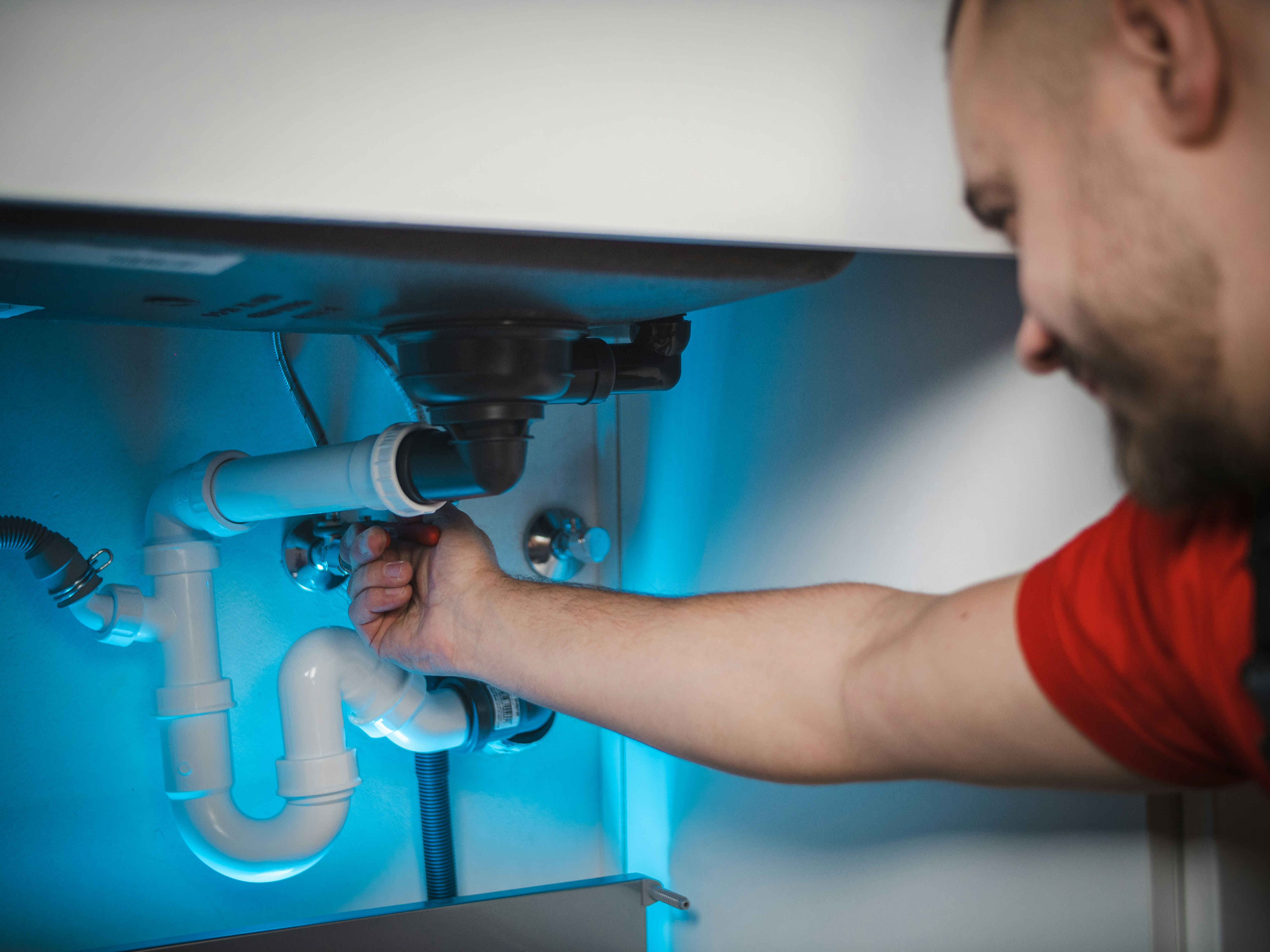
The process of cooling indoor air inherently involves pulling substantial amounts of airborne moisture out of the living space, acting as an industrial-strength dehumidifier. This condensation collects inside specialized drainage pans located beneath the evaporator coils and is channeled away from the home via gravity-fed PVC drainage networks. In a warm climate, these damp, dark internal drainage pathways create a highly distinct microenvironment that requires continuous technical monitoring.
When airborne desert dust slips past basic filtration barriers, it mixes directly with this continuous condensation, forming a thick, viscous sediment layer inside the drainage loops. Over months of uninterrupted operation, this layer can harden, completely blocking the condensation flow path. Because the system continues to pull moisture from the air, a blocked line will inevitably cause water to back up and overflow from the ceiling plenum. This hidden water escape poses a severe threat to luxury interiors, destroying premium drywall, warping custom wall paneling, and ruining high-end furnishings below before the homeowner even notices the source of the drip.
Structural Airflow Balancing and the Science of Indoor Air Movement
Achieving a uniform, comfortable temperature across a multi-story villa or large apartment requires absolute precision in structural airflow balancing. Air distribution networks rely on a specific static pressure profile within the duct channels to deliver chilled air evenly to every room. If individual registers are adjusted improperly, or if hidden duct connections develop structural leaks due to thermal expansion, the entire aerodynamic balance of the property is disrupted.
Improper airflow dynamics lead to the development of localized "hot spots" where rooms remain warm despite the cooling unit running at full capacity. This imbalance prompts residents to lower thermostat settings even further, worsening the mechanical load on the machinery without resolving the underlying structural distribution issue. Professional airflow management involves utilizing digital anemometers and micro-manometers to measure face velocity and static pressure across the entire property. This data allows technicians to systematically adjust internal damper plates, ensuring smooth, whisper-quiet air movement that maintains a perfectly balanced interior climate in every single room.
Electrical Harmonization and Multi-System Component Defense
The modern residential cooling matrix does not operate in isolation; it is heavily dependent on a perfectly calibrated, high-capacity electrical supply grid. Central cooling compressors and heavy-duty fan motors are highly inductive electrical loads that draw immense current spikes upon startup. If a property’s main distribution panels suffer from loose terminal screws, imbalanced phase loads, or aging contactors, these startup spikes can introduce severe voltage fluctuations across the entire household.
These localized power disturbances place artificial stress on sensitive home automation networks, high-end kitchen appliances, and delicate digital security systems sharing the same electrical grid. Furthermore, continuous voltage drops can cause the cooling motor windings to overheat, degrading their internal insulation and significantly shortening the overall operational lifespan of the motor. Utilizing advanced infrared thermography to inspect electrical distribution boards under maximum operating load allows technicians to identify and resolve micro-hotspots before they trigger a system-wide breaker trip, ensuring complete electrical harmonization and total safety for your home.
Securing Turnkey Operational Security and Real Estate Equity
Viewed from a long-term capital perspective, maintaining a property’s mechanical infrastructure to original factory blueprints is an exceptionally wise financial strategy. Real estate value in competitive urban markets is closely tied to the documented health of its central utility systems. A luxury residence that boasts a flawless, professionally managed mechanical service history represents a highly secure, turnkey asset that commands premium market value and attracts high-caliber tenants.
Ultimately, the true essence of an exceptional luxury home is absolute predictability and total peace of mind. Your private environment should serve as a fluid backdrop to your daily life, operating flawlessly in the background without requiring your constant attention or causing unexpected logistical stress. Transitioning to a lifestyle of proactive, professional mechanical stewardship shields your property from the harsh environmental demands of the desert climate. By choosing to partner with multi-skilled engineering specialists, you protect your real estate equity, minimize monthly utility waste, and ensure your home remains a perfectly tuned, beautiful sanctuary for your family for decades to come.